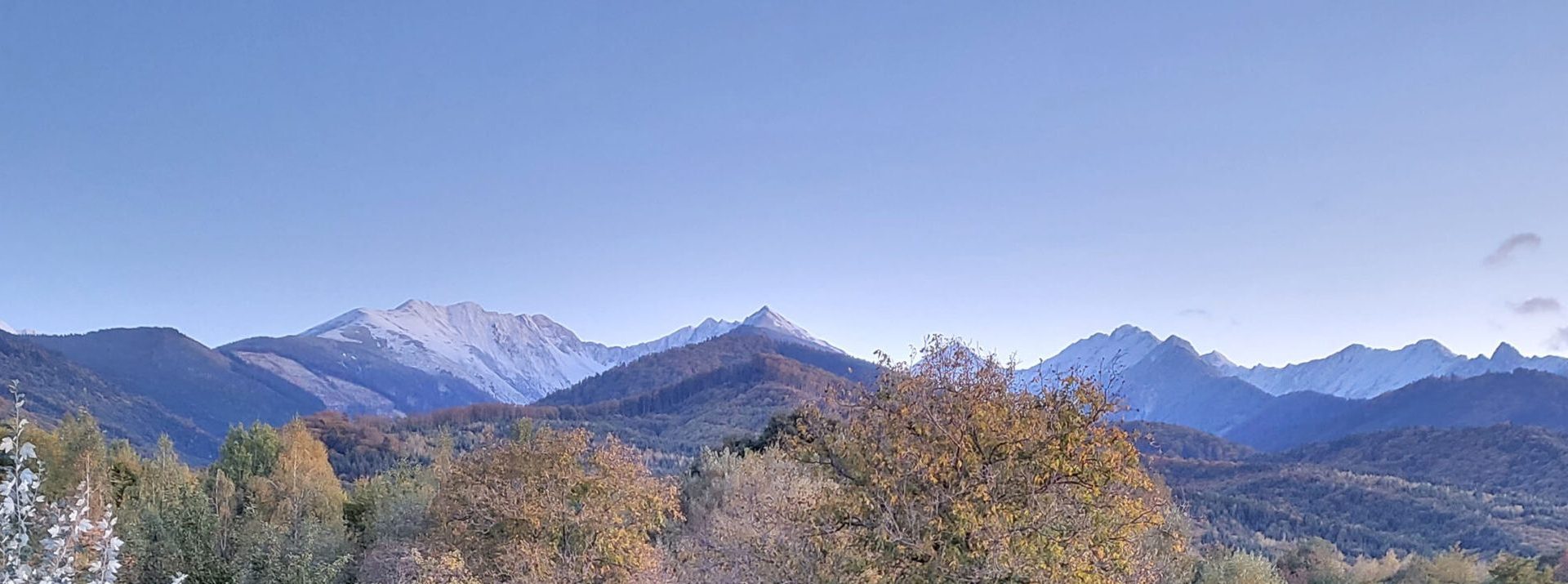

Transfagarasan Highway: Past And Present
Apart from its undeniable beauty, the Transfagarasan Road is of great historical significance as well.
Constructed between 1970 and 1974, the Transfagarasan Highway was Nicolae Ceausescu’s way of ensuring a safe passage through the Fagaras Mountains in case of an invasion by the Soviet Union. Six million kilos of dynamite and at least 40 dead workers later, Romania’s leader had his very own secret passageway.
Nowadays, deprived of its military importance, the Transfagarasan Road is among Romania’s main attractions. It offers a unique driving experience through the scenery of unsurpassed, almost unreal, beauty.
The scenic route reached its height of popularity in 2009 when Jeremy Clarkson proclaimed in the British TV show Top Gear that the Transfagarasan is the best road in the world. Ever since then, road trip enthusiasts and nature lovers from all over the world alike have paid tribute to the Transfagarasan Highway.
List of Top Things To See Along The Transfagarasan Road
It goes without saying that the top attraction along this scenic route is the road itself. We are talking about the second highest paved road in Romania which winds its way through a landscape of unfathomable beauty. However, there are also some essential stops along the way.
Therefore, you need to make sure you’ll have plenty of time to check them all out. Here’s a list of the absolutely necessary stops, either long or short, you should make during your Transfagarasan road trip:
- Balea Waterfall
- Balea Lake
- Capra Tunnel
- Vidraru Dam
- Poenari Citadel
How To Plan Your Transfagarasan Road Trip: Top Tips
So, you decided to drive this amazing route yourselves. That’s great! Before you jump into the car and start driving though, there are a few things you should know that will help you plan the perfect Transfagarasan road trip of your own. Assuming that you already have the basics covered, renting a car for instance and all, it’s time to cut to the chase.
- The Transfagarasan Road (National Road DN 7C) begins in Cartisoara and ends in Bascov. It covers a total length of about 150 kilometres (three and a half to four hours without stops). However, the interesting part is roughly between Cartisoara and Curtea de Arges (120 kilometres or a three-hour drive).
- The famous road is open all year-round. However, the most spectacular part of the road, which is between Balea Waterfall and an area called Piscu Negru, is closed from early November to late June each year due to dangerous weather conditions. Sometimes, dates can change slightly so make sure to check out the Transfagarasan Road status on this website before planning your Transfagarasan road trip.
- Although the actual driving time is between three and four hours, driving the Transfagarasan Road from start to end will take at least six to seven hours. This is because you will be making many stops along the way in order to admire the beauty surrounding you or get a refreshment at one of the numerous kiosks on the route. Therefore, make sure to plan a full-day trip so as to leisurely take in the beauty of this scenic route. Better still, if your schedule allows it, overnight somewhere along the way and spend two days on the Transfagarasan Road.
- It doesn’t matter whether you choose to drive the Transfagarasan from North to South or vice versa. However, from our experience, perhaps it’s slightly better to start from the North side. You see, Balea Waterfall and Balea Lake, which are closer to the northern end of the road, can get extremely foggy. So, it’s better to encounter this bummer in the beginning and then enjoy the rest of the route rather than let this disappointment await you at the end of your trip. More on the fog fail further down.
- Whether you start from the North or the South, make sure you spend the previous night somewhere near your starting point to hit the road as early in the morning as possible. Remember, the full length of the Transfagarasan Road is open for just four months each year. Therefore, it tends to get pretty crowded, especially at weekends.
- We’re pretty sure you’ve read online that it is a challenging driving experience, suitable only if you are a confident driver. Well, don’t get discouraged. Sure, you need to be extra careful because there are continuous S-curves and hairpin turns. However, the road conditions are excellent and there are many areas to pull over. Also, keep in mind, that it is a road suited for slow driving (40 kilometres per hour on average). Therefore, (usually and ideally) there are no trucks or hasty drivers. That said, if you’ve never driven on a mountain, rather narrow, road before in your life, probably you should be even more careful. Moreover, we’d like to point out that probably the route’s biggest problem is the fog. It can get inconceivably thick. But, generally, there is nothing to be afraid of. Trust us, we have seen way scarier roads on the Greek Islands and the Greek countryside in general.
- Even if you plan to drive the Transfagarasan Road in the heart of the summer or there is a heatwave in Bucharest, don’t be fooled. You need to pack a light jacket, preferably a waterproof one, as the entire route is at a very high altitude. Combine this with the ever-present fog and you can imagine how chilly it can get.
- Once you are certain that you are on the DN 7C National Road, there is no way to get lost. So, listen to neither your GPS nor Google Maps. They will both urge you to turn back and follow a different route towards your destination. As long as you have checked that the Transfagarasan Road is open, ignore the navigation sirens and drive on.
The main point of your Transfagarasan adventure is to choose Pensiunea Ana Vistisoara for your stay. You will enjoy the beautiful view of Fagaras Mountains that can be seen from every room.
